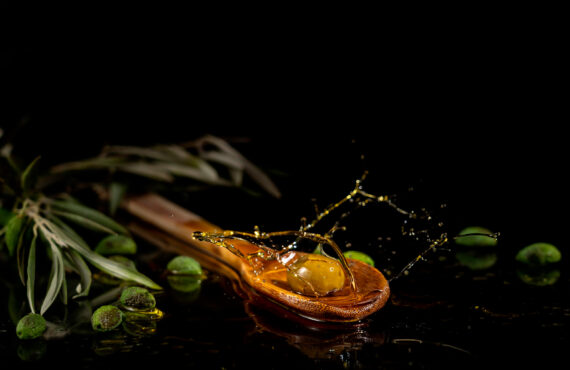
Extra virgin olive oil is a staple in kitchens around the world, cherished for its distinct flavors and versatility. Produced from the first cold pressing of olives, this liquid gold has been celebrated for centuries, not only for its health benefits but also for the array of flavours it offers.
From delicate and fruity to robust and peppery, the flavours of extra virgin olive oil are as diverse as the regions that produce it. The flavour profile of extra virgin olive oil is influenced by several factors, including the variety of olives used, the climate and soil conditions in which they are grown, and the time of harvest.
Let’s explore some of the prominent flavours that can be found in this exquisite oil.
1. Delicate and Fruity
Extra virgin olive oils with a delicate and fruity flavour are often made from early harvest olives. These oils are characterised by their mildness and subtle fruitiness. You may detect notes of ripe apples, fresh herbs, or hints of tropical fruits. The flavours are gentle on the palate, making them ideal for drizzling over salads, grilled vegetables, or even for baking.
2. Peppery and Robust
On the other end of the spectrum, there are extra virgin olive oils that exhibit a robust and peppery flavour. These oils are typically produced from olives that are harvested later in the season, allowing them to develop a more intense taste. The peppery sensation can be felt at the back of the throat, and the flavours may include green grass, artichoke, or even a touch of bitterness. These oils shine when used as a finishing touch for hearty soups, grilled meats, or as a dip for crusty bread.
3. Nutty and Buttery
Some extra virgin olive oils offer a nutty and buttery flavour profile, reminiscent of almonds or hazelnuts. These oils are often made from specific olive varieties and may undergo a milder pressing process. The result is a smooth, velvety texture and a rich, almost sweet taste. These oils lend themselves well to drizzling over pasta, roasted vegetables, or as a base for dressings and sauces.
4. Herbal and Grass-Like
Certain extra virgin olive oils possess distinct herbal and grass-like flavours. These oils can evoke the aromas of freshly cut grass, tomato leaves, or even green tea. They are often the result of olives grown in regions with fertile soils and a temperate climate. These flavours add a vibrant and refreshing touch to salads, marinades, or when used to garnish soups and stews.

Elixir of the Gods: Unveiling the Enigmatic Tapestry of Flavours in Extra Virgin Olive Oil
It’s important to note that the flavour of extra virgin olive oil can also vary depending on its origin. Different regions, such as Italy, Spain, Greece, or California, have their own unique terroir, olive varieties, and production techniques, resulting in a wide range of flavours and characteristics.
To truly appreciate the flavours of extra virgin olive oil, it’s best to experience them firsthand. Consider conducting a tasting, where you can compare oils from different regions and explore the nuances in flavour. When tasting, pay attention to the aroma, the initial taste on your palate, and the finish—how the flavours linger or evolve.
Remember, extra virgin olive oil is not only a culinary delight but also a healthy addition to your diet. It’s rich in monounsaturated fats, antioxidants, and other beneficial compounds that contribute to heart health and overall well-being.
So, the next time you reach for a bottle of extra virgin olive oil, take a moment to savour its flavours. Whether you prefer a delicate and fruity note, a robust and peppery kick, a nutty and undertone, or a herbal and grass-like aroma, each flavour profile offers a unique experience that can elevate your dishes to new heights.
In addition to its flavours, extra virgin olive oil also adds complexity and depth to recipes. Its versatility allows it to be used in various cooking techniques, such as sautéing, roasting, and even baking. The different flavours of extra virgin olive oil can enhance the taste of vegetables, meats, seafood, pasta, and even desserts.
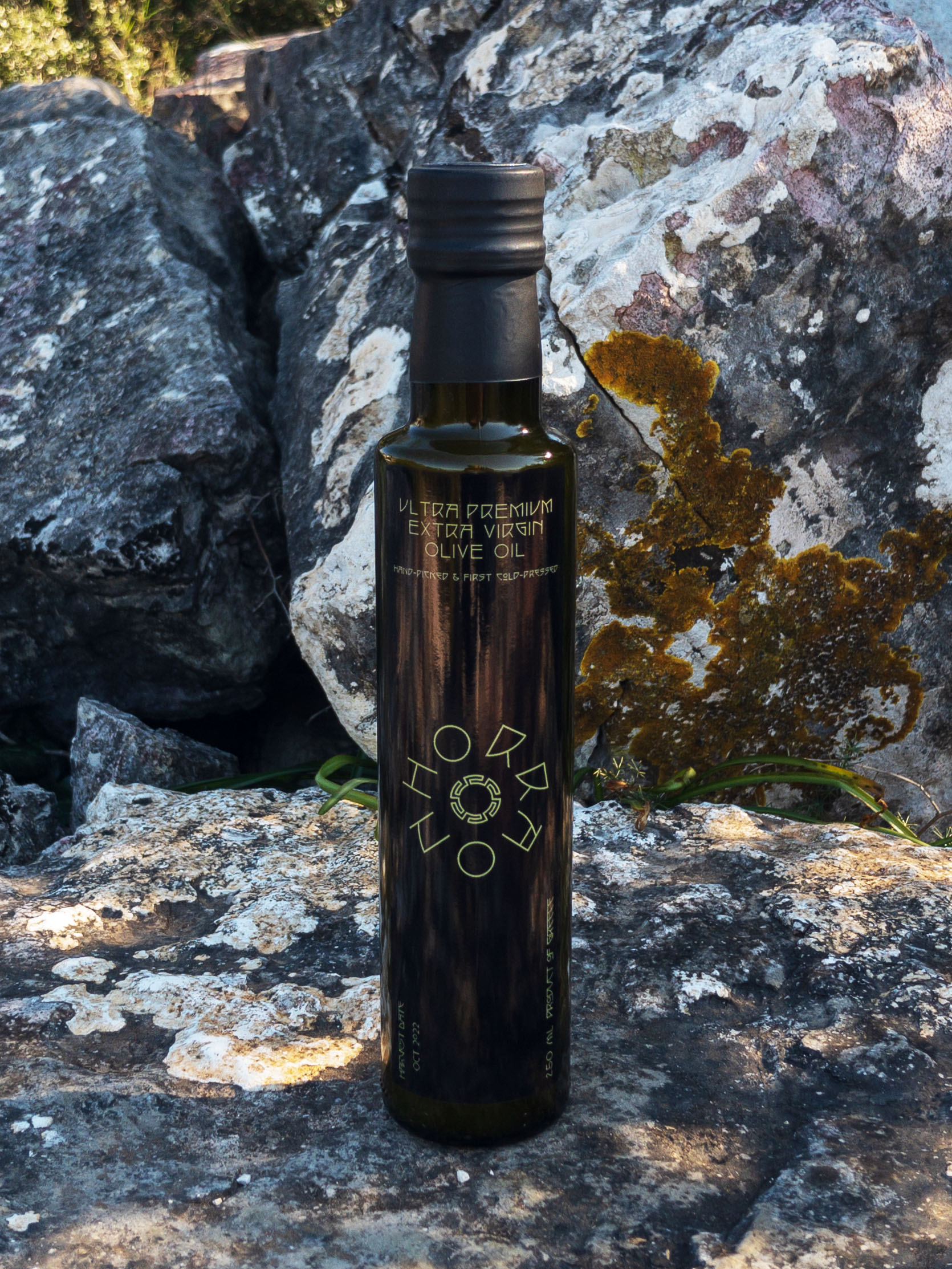
HORRAON Ultra Premium EVOO
When choosing an extra virgin olive oil, look for reputable producers and opt for bottles that display the harvest date and origin. This information can give you valuable insights into the freshness and quality of the oil. Remember that extra virgin olive oil is best enjoyed within two years of its harvest date to fully appreciate its flavours.
Proper storage is crucial to maintain the flavours of extra virgin olive oil. It should be stored in a cool, dark place away from direct sunlight and heat sources. Exposure to light and heat can cause the oil to deteriorate and lose its distinctive flavours.
Lastly, keep in mind that the flavours of extra virgin olive oil can vary from year to year, as factors such as weather conditions and olive tree health can affect the taste. This natural variation adds to the excitement of exploring different oils and discovering new flavours with each harvest. The flavours of extra virgin olive oil are as diverse as the regions and olive varieties from which they originate.
Whether you prefer a delicate and fruity oil, a robust and peppery one, a nutty and buttery sensation, or an herbal and grass-like aroma, there is an extra virgin olive oil to suit every palate and culinary creation. Embrace the world of flavours that extra virgin olive oil has to offer and elevate your cooking to new heights with this ancient and cherished ingredient.